Grandparents' Story Capsule: Preserving Legacies for Future Generations
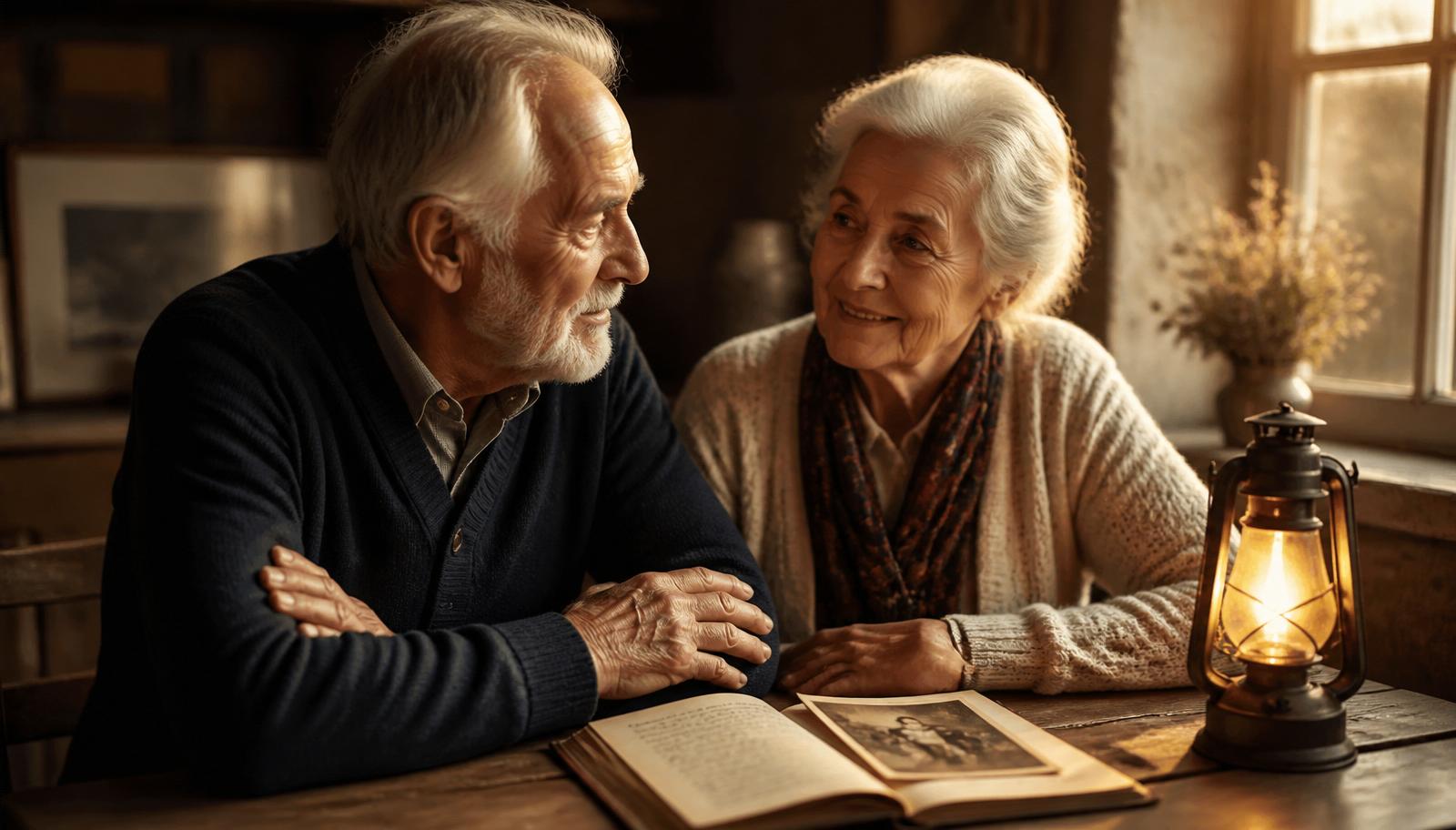
Grandparents' Story Capsule: Preserving Legacies for Future Generations
Our grandparents are treasures, filled with a lifetime of experiences, wisdom, and stories that often go untold or are lost to time. Imagine the joy and connection your grandchildren will feel when, years from now, they can hear their grandparents' voices, see their smiles, and listen to the tales of their youth. A MemWall "memory capsule" offers a beautiful way to capture these precious narratives, securely storing them and delivering them when your grandchildren are ready to truly appreciate them – perhaps at 18, 21, or another significant milestone.
This article will guide you through the process of creating a heartfelt memory capsule of your grandparents' stories. We'll cover how to prepare, conduct interviews, navigate sensitive topics gracefully, ensure good technical quality for your recordings, and finally, how to package these precious memories for future generations.
The Power of a Legacy: Why Capture These Stories?
Beyond the sentimental value, there are many compelling reasons to dedicate time to recording your grandparents' stories:
- Intergenerational Connection: It creates a direct link between past and future, allowing grandchildren to understand their heritage and identity in a deeply personal way.
- Life Lessons and Wisdom: Grandparents often share insights gleaned from their own challenges and triumphs, offering invaluable guidance.
- Cultural Preservation: Their stories can illuminate traditions, historical events, and a way of life that might otherwise be forgotten.
- A Sense of Identity: Understanding where they come from helps grandchildren form a stronger sense of self and belonging.
- A Priceless Gift: Unlike material possessions, these stories are unique, irreplaceable, and grow more valuable with time.
Preparing for the Interview: Setting the Stage
A successful interview isn't just about turning on a camera or recorder; it's about creating a comfortable, trust-filled environment.
Choosing the Right Time and Place
- Comfort is Key: Select a quiet, familiar, and comfortable space where your grandparents feel at ease. Their home is often ideal.
- Minimal Distractions: Turn off phones, televisions, and other potential interruptions.
- Optimal Timing: Choose a time of day when your grandparents are typically most energetic and alert. Short, focused sessions are often better than one long, exhausting one. An hour or two at a time, with breaks, is a good starting point.
- Involve Them in Planning: Ask them when they'd prefer to do it. This gives them agency and helps them mentally prepare.
Gathering Materials and Memories
- Old Photos & Mementos: Bring along old photo albums, letters, family heirlooms, or even recipes. These can be incredible conversation starters and jog memories.
- Research Family History: Before you begin, do a little research. Know key dates, names, and places to help guide your questions.
- Be Prepared to Listen: The most important "material" you'll bring is an open heart and a listening ear.
Interview Prompts: Unlocking Their Stories
The key to a rich narrative is asking open-ended questions that encourage detailed responses, not just "yes" or "no." Think about themes that span a lifetime.
Early Life & Childhood
- What was your childhood home like? What are your earliest memories?
- What games did you play as a child? Who were your best friends?
- What was school like for you? What did you love (or dislike) about it?
- How did your family celebrate holidays? What were your favorite traditions?
- Did you have any chores or responsibilities growing up?
Teenage Years & Young Adulthood
- What were your hopes and dreams when you were a teenager?
- Did you have a summer job or a first job? What did you learn?
- How did you meet Grandma/Grandpa? What was your first date like?
- Tell me about your wedding day.
- How did you choose your career path or profession? What challenges did you face?
Parenthood & Family Life
- What was it like becoming a parent for the first time?
- What lessons did you hope to teach your children?
- What were some of your favorite family vacations or traditions you started?
- How did your family navigate difficult times together?
- What does family mean to you?
Later Life & Reflections
- What are you most proud of in your life?
- What are some of the biggest changes you've seen in the world during your lifetime?
- What advice would you give your younger self?
- What do you hope for your grandchildren's futures?
- If you could share one piece of wisdom, what would it be?
Sensitive Topics: Approaching with Care
Sometimes, profound stories emerge from difficult experiences. Approach these with sensitivity and respect:
- Gauge Their Comfort: Always observe their body language. If they seem uncomfortable, gently change the subject or offer to take a break.
- "You don't have to answer..." You might preface a potentially sensitive question with, "You don't have to answer this if you don't want to, but I'm curious..."
- Listen Without Judgment: Your role is to listen and record, not to debate or offer opinions.
- Be Prepared for Emotion: Tears, laughter, and silence are all part of the process. Allow space for these emotions.
Technical Tips: Capturing High-Quality Recordings
Even simple equipment can yield excellent results with a little care. The goal is clear audio and visible video.
Audio Quality is Paramount
- External Microphone (Recommended): Even a simple lavalier (lapel) microphone connected to a smartphone or camera will drastically improve audio quality over built-in mics. Position it close to your grandparent's chest.
- Quiet Environment: This bears repeating. Background noise (TV, heating/AC units, open windows) can ruin an otherwise good recording.
- Test Levels: Do a quick test recording before you start the main interview. Ensure the volume isn't too low, too high, or distorted.
Video Quality
- Good Lighting: Natural light from a window is often best. Avoid harsh, direct sunlight or backlighting that casts shadows on their face. Position them facing the light source.
- Stable Camera: Use a tripod or prop your smartphone/camera on a stable surface (stack of books, table) to avoid shaky footage.
- Eye Level: Position the camera so it's roughly at your grandparent's eye level.
- Framing: Frame them from the waist up or chest up, leaving a little space above their head. Make sure they are looking at you, not directly into the camera, to create a natural conversation.
- Keep it Simple: Don't worry about fancy camera angles or complex shots. A steady, well-lit shot is perfect.
Recording Tools
- Smartphone: Modern smartphones record excellent video and audio, especially when paired with an external microphone.
- Dedicated Camera: A camcorder or DSLR/mirrorless camera can offer more control, but isn't necessary for a meaningful recording.
- Audio Recorder: For audio-only recordings, a digital voice recorder is compact and produces high-quality sound.
Packaging Their Stories in a MemWall Capsule
Once you have your recordings, photos, and any scanned documents, it's time to assemble your MemWall memory capsule.
Organizing Your Content
- Categorize: Create folders for different stages of life (Childhood, Marriage, Parenthood, Wisdom).
- Transcribe (Optional but valuable): If time allows, transcribing key segments can make them even more accessible later.
- Edit Lightly: You don't need professional editing. Trim awkward pauses, remove any technical glitches, but otherwise, let their voices and stories speak for themselves. Authenticity is more important than perfection.
Curating for the Future
- Mix and Match: Include video clips, audio segments, scanned photos, handwritten notes, and even text descriptions from your own perspective.
- Personalize the Message: Write an accompanying letter or short video message for your grandchildren, explaining what these memories mean to you and why you wanted to preserve them.
- Select the "Unlock" Date: This is a crucial step for your MemWall memory capsule. Consider what age your grandchildren might best appreciate these stories. 18, 21, or even 25 are common choices, aligning with young adulthood when identity and heritage become particularly poignant.
- Choose Recipients: Ensure the right grandchildren (and perhaps other family members) are designated to receive the capsule.
- Add Context: Provide brief captions or descriptions for photos and videos to give future viewers context. "This is Grandma on her first day of school, 1948."
The Enduring Gift
Creating a memory capsule of your grandparents' stories is not just an act of remembrance; it's an act of love for both past and future generations. It's a way to ensure their laughter continues to echo, their wisdom continues to guide, and their unique legacies remain vibrant for those who will benefit from them most. This thoughtful gesture will become an infinitely valuable inheritance, far beyond what any material possession could ever offer.
Start your own memory capsule
Inspired to preserve your family's history? Begin building your own MemWall memory capsule today. Explore the possibilities and create a timeless legacy that will be cherished for generations to come.